
BlogSubiekt nexo for 3 workstations is 1 275 zł net, Subiekt GT 1 045 zł, nexo PRO 2 575 zł. Those are perpetual licences, and then there's the yearly Abonament: 349 zł for nexo if you renew within 30 days of expiry, 539 zł if later. Plus Sfera (the API), the accounting-office client licences, and a comparison with Optima and enova365.

BlogOptima's price list is public: Podstawowy 59 zł a month, Logistyka Basic 75 zł, Księga Handlowa 175 zł. The catch is the word Pro: it's a top-up on Basic, not a separate tier, so full accounting in Finanse costs 250 zł, not 200. Plus the Podstawowy limits, how HR counts employees for accounting offices, and two worked examples.

BlogDecember payroll paid in January is a 2026 cost, but only if the pay leaves on the date in the client's pay rules and the ZUS contributions reach ZUS on time. 10 January 2027 is a Sunday, so the statutory deadline ends on Friday 8 January. The same pay lands in the employee's 2027 PIT-11. Here's what an office checks in December and in February.

BlogSymfonia's WebAPI is a Windows service that runs Handel or FK in the background and exposes it over REST. One instance is one company and one user, the default licence allows 10 sessions, and a 401 can mean three different things. Then there's incremental sync, which returns nothing but stock levels until someone ticks a box in the configurator.

BlogA client wants to "buy something before year end to cut the tax". What counts is the date the asset enters the register, not the invoice date. December uses the 213 000 zł de minimis limit and 2026 small-taxpayer status; January gives 219 000 zł for 2027. Then there's the separate 100 000 zł route for brand-new assets. Here's what an office should check in November.

BlogThe advance arrives in December, the goods ship in January. VAT falls in December, revenue in 2027, and the advance invoice may still be issued outside KSeF while the settlement invoice must go through it. Here's how FA(3) links the two, and what an accounting office should check across its clients in December and January.

BlogThe government has sent the Sejm a bill (print 3245) that moves the art. 106ni VAT Act penalties to 1 January 2028. It's still a bill. The 10,000 zł exemption and cash-register invoices end on 31 December either way, and the tax administration says that in 2027 it will send reminders and run checks. What an accounting office should check across its clients in November and December.

BlogSymfonia's advanced statement import reconciles in three steps: e-transfer reference numbers, the counterparty's bank account, then formulas. Anything you don't settle in the transaction table lands on the account as a new transaction. The balance is correct. The open-items list isn't. How it works, where the hours go, and what to check before the year-end close.

BlogSince 1 January 2026 a combustion car emitting 50 g CO2/km or more has a 100 000 zł limit, not 150 000 zł. An operating lease signed in 2024 isn't protected, as the Ministry of Finance confirmed in its reply to interpellation 13926. If the instalments are still booked at the old proportion, one contract overstates costs by about 7 800 zł a year. What to check in November, and the list an AI agent prepares.

BlogThe 2027 PIT and CIT amendment closes mid-year entry into Estonian CIT. A company that doesn't file ZAW-RD by 1 February 2027 waits until 2028. On 400 000 zł of profit paid out to shareholders the difference is about 25 000 zł a year. How to run the numbers, what to check for each client in November, and the list an AI agent prepares for an accounting office.

BlogSimplified advances for 2027 are 1/12 of the tax shown in the return for 2025, so by the time anyone pays them the data is two years old. For a client whose income fell, the method locks 22 800 zł of overpaid tax away for more than a year; for a growing client it pushes 26 600 zł of top-up to April 2028. How to run the numbers, and the list an AI agent prepares for an accounting office.

BlogThe deadline to change a client's form of taxation for 2027 is 20 February, but the comparison of the tax scale, the flat 19% and the lump sum runs on 2026 data, which is already in the books. Here's why the flat tax 'wins' by 8 462 zł and loses by 11 138 zł for the same client, and the list an AI agent can prepare for an accounting office before the client conversations.

BlogThe NBP euro rate for 1 October 2026 is 4.3770 zł, so the 2027 small-taxpayer and lump-sum limit is 8 754 000 zł and the full-books threshold is 10 942 500 zł. Here's which clients that actually affects, why the same 2 million euro is measured against three different revenue figures, and the list an AI agent can prepare for an accounting office in November.

BlogSmaller full-books clients may skip deferred tax, but the temporary differences from write-downs, accruals, FX valuation and depreciation arise anyway. Here's who can actually use the exemption, which rate a small CIT taxpayer should use, and the register an AI agent builds for an accounting office from the four year-end lists.

BlogOn full books, costs with no invoice yet, unused leave, annual bonuses and provisions belong in the year they relate to. In CIT they usually wait for the invoice or the payment. Here's how an accounting office keeps the two lists apart, where the double cost usually creeps in, and what an AI agent prepares from bank statements, KSeF and payroll data before the year is closed.

BlogOn full books, a write-down of receivables has to be made by the balance sheet date at the latest. It only becomes a tax cost once non-collectability is substantiated. Here's how an accounting office keeps the two lists apart, where it usually goes wrong, and what an AI agent can prepare from bank statements and debtor registers before the year is closed.

BlogIn the first week of January the office pulls hundreds of purchase invoices from KSeF, dated on both sides of 31 December. The issue date, the KSeF number date and the service date can point to different VAT periods and different cost years, and KPiR and full-books clients get different answers. Here is how to sort them, and what an AI agent can have ready before the accountant closes December.

BlogA KPiR client counts stock on 31 December and in January sends the office one figure. That figure moves the whole year's taxable income, and few offices ever check it. Here's how one margin test catches an understated count, what the rules require, and what an AI agent can prepare before the accountant enters it in the ledger.

BlogOn 31 December a full-books client revalues receivables, payables and currency accounts at the NBP rate. The books get a difference that doesn't exist for tax, and in January the same invoice gives one result in the ledger and another in CIT. Here's where offices lose track of it, and the list I'd have ready before year end.

BlogEvery payment of a euro invoice is a separate exchange-difference calculation: the invoice rate, the payment rate, and where that second rate came from. At 40 foreign-currency payments a month per client, it's a spreadsheet someone retypes before the 20th. Here's where the errors come from and what can be automated without handing the decisions to a machine.

BlogOffices count day 90 for VAT and stop there. Art. 26i PIT and art. 18f CIT run from the same date but on different conditions: two years instead of three, business-to-business only, a different restructuring check and no flat-rate clients. The debtor has to raise income in the monthly advance, not wait for the annual return, and September's advance is due on 20 October.

BlogAccounting offices talk about Polish VAT bad-debt relief as money to recover. That's only half the rule. The other half, art. 89b, makes a client who hasn't paid a purchase invoice within 90 days of its due date give back the deducted VAT in the period the 90th day falls. Unless someone sets due dates against the bank statement, nobody notices.

BlogA Polish general partnership of individuals on full books that files VAT monthly sends JPK_KR_PD for 2026; quarterly filers start with 2027. The file comes from the partnership, not the partners. Its RPD section is zero, but the tax markers on its accounts still reach the tax office, so the partners' spreadsheet the office keeps can now be set against the books.

BlogPolish accounting offices have automated KSeF downloads for purchase invoices, but sales still go into the VAT register from the list the client sends. Every sales invoice the client issues goes through KSeF, so the tax office sees it before you do. The rejected invoice that was never issued, the send date that beats the date in the client's software, the correction nobody mentioned, and one comparison to run before the 25th.

BlogPolish lump-sum (ryczałt) taxpayers who file monthly JPK_V7M send their first annual JPK_EWP for 2026 by 30 April 2027. It's a sales-only file, with a KSeF number, a contractor tax ID and a tax rate on every row. The tax office already holds every invoice the client issued in KSeF. How to check January–September now, where the double-counted receipt hides, and what an AI agent can't decide.

BlogPolish clients on the revenue and expense ledger (KPiR) who file monthly JPK_V7M send their first annual JPK_PKPiR for 2026 by 30 April 2027. The rest (quarterly V7K filers and VAT-exempt clients) follow a year later. Nine months of that file are already in the books, with a new KSeF number column and no summary entries. How to split the portfolio, what a January–September trial export shows, and what an AI agent can check.

BlogIn August 2026 the Polish Ministry of Finance published a draft exempting CIT taxpayers from sending JPK_ST_KR for 2026–2028. Many offices read it as 'fixed assets are off the table'. They aren't. The draft covers sending the file, it doesn't cover PIT taxpayers on full books, and the register with separate book and tax values, KŚT symbols and improvement history is needed either way. What to check in October and what an AI agent can do.

BlogFor 2026, most full-books clients who are active VAT payers will have to file JPK_KR_PD, due with the CIT return, which for a calendar year is 31 March 2027. Markers are assigned to accounts, not entries. An account that mixes deductible and non-deductible costs, found in March, means re-booking a year. What to check in October, what it costs across 40 clients, and what an AI agent can do.

BlogPolish law lets you inventory receivables by balance confirmation any time from 1 October to 15 January. Printing the letters from the ERP takes five minutes. The hours go on the contact list, chasing counterparties who never reply, and explaining differences. Some of those differences the office created itself, by sending confirmations from settlements nobody had cleaned up. What to do before you send, why 30 November makes a better balance date, and what an AI agent can take off your hands.

Blogenova365's price list is public: Handel from 70 zł a month per seat, Księga Handlowa 203 zł, WebApi 131 zł per installation. That's the cheapest part of the bill. The version tier, the warranty extension and the integration decide the rest, and none of those three numbers is on the vendor's site. Two worked examples and five questions to ask the partner before you sign.

BlogSince February 2026 every sales line in JPK_V7 carries either a KSeF number or one of three markers: OFF, BFK, DI. Eight months in, the mistakes are easy to spot: consumer invoices, cash-register reports, invoices to receipts, offline24 lines never corrected, and BFK next to a buyer's NIP. A map of the markers and a nightly check of the sales register.

BlogKSeF closed the door on domestic VAT invoices, not on the whole document inbox. Foreign suppliers, receipts with a NIP, cash-register invoices and the smallest sellers until the end of 2026, tickets, plus the PDF duplicates. A map of what bypasses KSeF, what changes on 1 January 2027, and how to find the missing documents from the bank side.

BlogSince 1 February 2026 a buyer can no longer issue a correction note, and an invoice sent with the wrong NIP lands in a stranger's KSeF and stays there. What KSeF corrections change for an accounting office, how to pair a correction with its original, and which three lists are worth generating every night.

BlogA client issues an invoice offline on the evening of 30 September and KSeF numbers it on 1 October. The seller reports it in September, the buyer in October, and an office that downloads by date may not have it anywhere. What offline24 really changes for an accounting office, and what to check every night.

BlogEvery client gave your office KSeF access in its own way: entity-level or personal, with delegation or without, by token or by certificate. While invoices keep downloading, nobody writes it down. The problem surfaces when an employee leaves or a certificate expires. Here's how to build a permission register in an afternoon, and what to check against it every night.

BlogWhen InsERT nexo imports a bank statement, it matches twice: first the counterparty, then the open item. Everyone watches the second match. But the first one (parser choice and counterparty recognition) sets the ceiling before a single settlement rule runs. Here's how it works in the Bank module, and what's left over for an agent.

BlogOptima settles transfers at the moment you import a bank statement, and it offers five ways to do it. Four of them leave a line unsettled when they aren't sure. The fifth, chronologically by counterparty, always settles something, just not necessarily what the customer paid. How each option works, what caps the match rate, and where an agent makes sense.
BlogIn enova365, sending a declaration and confirming its receipt are two separate actions: Wyślij and Potwierdź. Anything that got the first and not the second sits in Do potwierdzenia odbioru or Przetwarzanie and looks finished. Where enova365 keeps these statuses, why an office has two lists instead of one, and how to count the gap across many databases at once.

BlogThe wysłano status in your accounting software is the installation noting what it meant to do. Proof that a JPK_V7 or e-declaration was filed is the UPO, and a file rejected with a 4xx code or stuck in a 30x state looks exactly like one that landed, on every screen in the office. One table and one count after each deadline: the cheapest control an office can build.

BlogA document lands in the mailbox and minutes later sits in the accounting system with a proposed dekret, waiting for one click from an accountant. Nine things happen in between. I drew all of them — the rules that stop a document, and the single gate anything must pass to reach the books.

BlogThe Operacje wielofirmowe module, formerly Biuro Rachunkowe, computes a per-client, per-month status for VAT, CIT, PIT, ZUS DRA and JPK filings in one place, across every client database. Which means the hardest part of integrating with an accounting office — forty databases and forty logins — is already solved for that one question. Offices click through this module daily and never treat it as data.

BlogRewizor nexo PRO ships posting schemas that can be conditioned on any attribute of the source document, plus an automaton that posts them on save. The vendor already built the automation clients come to a developer for. So the first question for an accounting office is not what to automate, but what share of last month's documents posted themselves — and why the rest did not.

BlogGestor nexo shares a database with Subiekt nexo, so the data you came for is already inside the podmiot you connected to. But the licence is per program, not per installation, and that single sentence kills projects a week after the estimate lands. The second thing: in a CRM the read-only build is nearly worthless, and the safest write in the whole InsERT object model is an activity record.

BlogYesterday I argued that an accounting office does not integrate with its clients' systems but with the channels documents already pass through. That leaves one question open: where those documents land. The answer is the office's own system, and that is the bottleneck. Forty clients usually means forty databases, one supplier spelled forty ways, and no state between not here and booked.

BlogForty clients, six systems, so six integrations and the maths does not work — that is the first objection in every accounting office. The arithmetic is right and the premise under it is wrong. An office almost never integrates with a client's ERP; it integrates with the places documents already have to pass through. Since the KSeF mandate, most of them pass through one.

BlogOptima has no request limit. That sounds like good news and it is the opposite: a rate limit is a contract that tells you the safe speed. Here there is no such number, so your first feedback is an accountant whose invoice list takes eight seconds to open. Four real ceilings, and the hour that lets you measure them before you quote.

BlogDocuments do not transfer. InsERT says so on its own product page. History stays reachable, but as a window into the old database, not a copy. If you have an integration wired into Subiekt GT, this is not a weekend with a date on it. It is the moment your system splits in two and stays that way.

BlogIn Subiekt GT, Sfera is an add-on you buy. In nexo it is a licence tier for the whole system — which moves the decision from IT to the owner. Plus an inverted connection model and a day-one failure that looks nothing like GT's.

BlogAll three systems send invoices to KSeF, and that row of the comparison is closed. The difference that costs money now sits on the receiving side, and in three states that raise no error in any of them — because they are an absence, not a failure.

Blogenova365 has a buffer, Optima has three of them, and Subiekt GT has none — a document created through Sfera is real from the first second. So the reviewable state is yours to build, and the queue, not the model, is the product.

BlogThe three most common Polish ERPs give three different answers to the same questions: where does my code run, what do I pay for before the first line, who is the integration when it logs in, and where does a draft stop. One table, plus the paragraphs a table cannot hold.

BlogOptima has posted automatically for years; the feature is called a posting scheme. What it does not do is decide what to feed the scheme: which contractor, which category, whether this invoice is even new. The agent works upstream of the scheme and stops at the buffer Optima already has.

BlogAn RO does not take goods off the shelf. It subtracts them from one number, it carries an expiry date after which it vanishes quietly, and it blocks an issue only if somebody ticked one configuration parameter. Most integrations know none of those three things.

BlogSfera is not an API in the sense you use that word. It is a COM object library that launches Subiekt on Windows and logs into it like a person would. Everything you design afterwards follows from that one sentence.
BlogThe question is usually whether Optima has an API. The answer is that it has five different things by that name, each with a different licence, a different owner, and a different phone number to call when it stops working.

BlogThe most valuable agent is almost always the wrong first build. Not because it cannot be built, but because its first honest output arrives in week ten, and nothing holds a room's attention that long. Four questions that screen the candidates, and one number that predicts whether the project lands.

BlogThe integration gets the Administrator account, because scoping the rights would take an afternoon and nobody has the afternoon. Then it turns out the strongest read-only boundary in enova365 is not the permission tree at all. It is the licence.

BlogHarmonogram Zadan is the third route data takes out of enova365, and the only one that fails without making a sound. A job that did not run and a job that found nothing look identical from outside. That is the whole story.

BlogEvery enova365 installation with the Handel module already has credit limit control. Almost none of them control real exposure. The number has not been touched since migration, it counts less than you are owed, and it fires at the point where stopping costs the most.

BlogThe ageing report in enova365 shows 120 overdue lines. Last week eight reminders went out. That gap isn't neglect — it's a filter that exists only in somebody's head. Automating the sending is trivial. Writing down the filter is the whole project.

BlogAdding a custom field in enova365 takes an administrator five minutes and needs nobody's approval. For anything reading that data, it's a schema change. That asymmetry is the whole story of these projects — along with the inventory you should run before quoting, not after the first silent failure.

BlogImporting MT940 into enova365 works, and nobody should charge you for it. The hours go on what happens next — matching lines to open items. The ceiling on that is set by one field: the payment title your customer typed.

BlogBefore anyone talks about an AI agent for accounting on enova365, there is a duller question to answer: does this data leave the system in a form that still means something? Three exit routes, the one field KSeF added, and an honest list of what the API will never hand you.

BlogThe question of who is liable when an agent gets it wrong has a boring answer: exactly the same people as before. Liability does not move to software, because it was never available to move. Something else changes, and that part is more interesting.

BlogBuilding a read-only agent takes three to five days, and that number is honest. It has almost never been the thing that decided when a client actually had a working agent. Something else decides, and you can measure it.
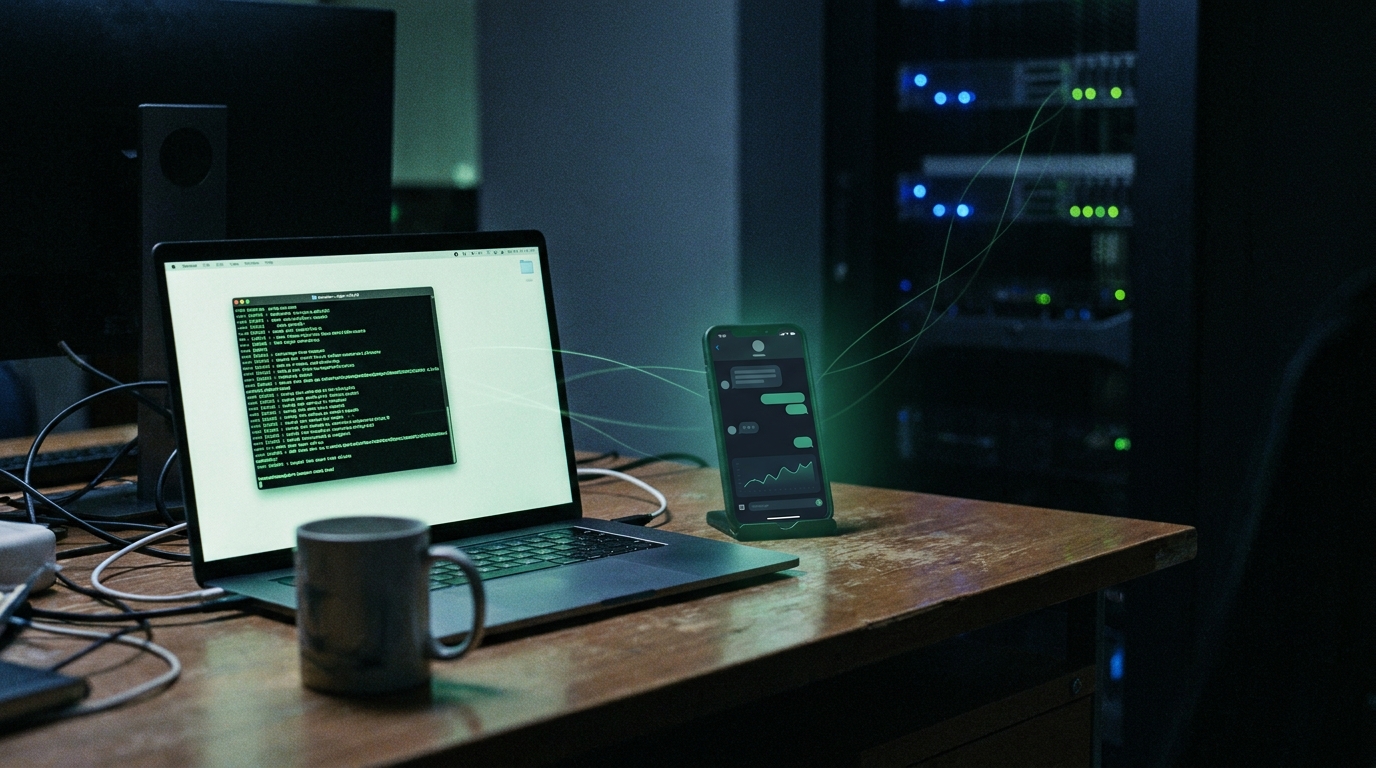
BlogAn agent runtime in one Kubernetes pod, tools as Python skills, a two-token auth flow into enova365, CronJobs pushing morning digests and charts straight to Telegram. I take the production accounting agent apart, piece by piece — and say what I'd do differently next time.

BlogErrors in a JPK_V7 file come in two kinds, and only one of them is a data problem. An agent removes most of the first kind. The second stays with a person - and that is the expensive one.

BlogTwo Polish rules share a 15,000 PLN threshold and nothing else. One asks who you are paying, the other what you bought. Split payment also happens to be the cheapest protection against the white-list penalty — with a price nobody mentions: cash locked on a VAT account.

BlogMost offices check the contractor on the day they book the invoice. The law hangs the consequences on the day the transfer goes out - a different day, and sometimes a different status. What automates, how many hours it really saves, and why the hours are not the argument.

BlogMonth-end is not a deadline problem, it is a distribution problem. The dates never move — the 15th, the 20th, the 25th — but the documents arrive whenever they arrive. Here is what an agent can prepare during the quiet first week, and the single number that tells you whether anything actually changed.

BlogA pilot from €1,900 plus a subscription. Worked through to the end: at 400 documents a month the agent never pays for itself, at 700 it repays inside a year, and an accounting office crosses the line somewhere around its twelfth client.

Blog31 January, 31 May, 30 September. Miss one by more than 30 days and the licence lapses, with a six-month wait before you can reapply. The number you have to declare sits in your ERP all year — nobody looks at it until January.
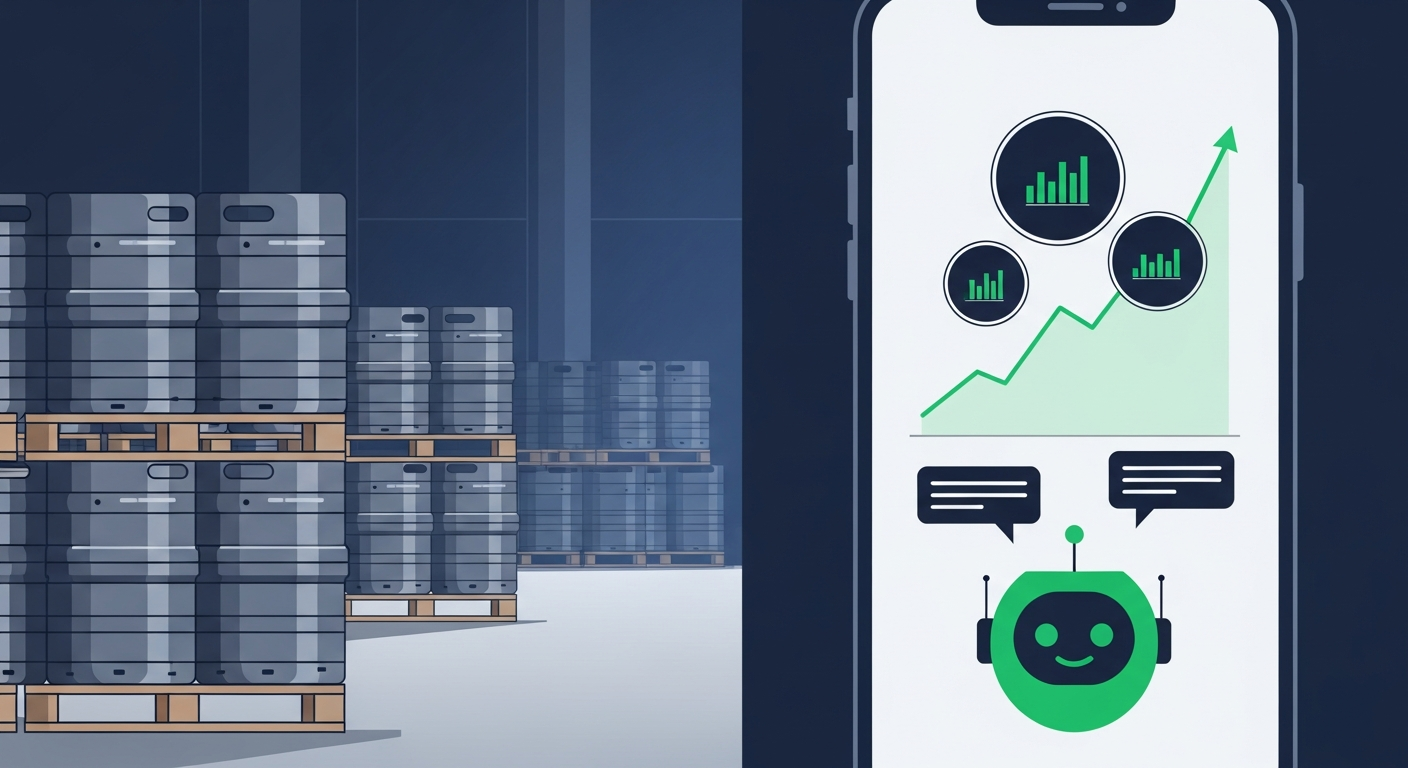
Case StudiesAt LUBART Keg Market the accountant used to be the company's search engine: someone asks, she stops, opens enova365, clicks, copies numbers into a message. Now all three — accountant, director, owner — ask on Telegram and an AI agent answers in seconds off live ERP data. At 8:00 it sends the morning pulse without being asked. Here's how it's built.
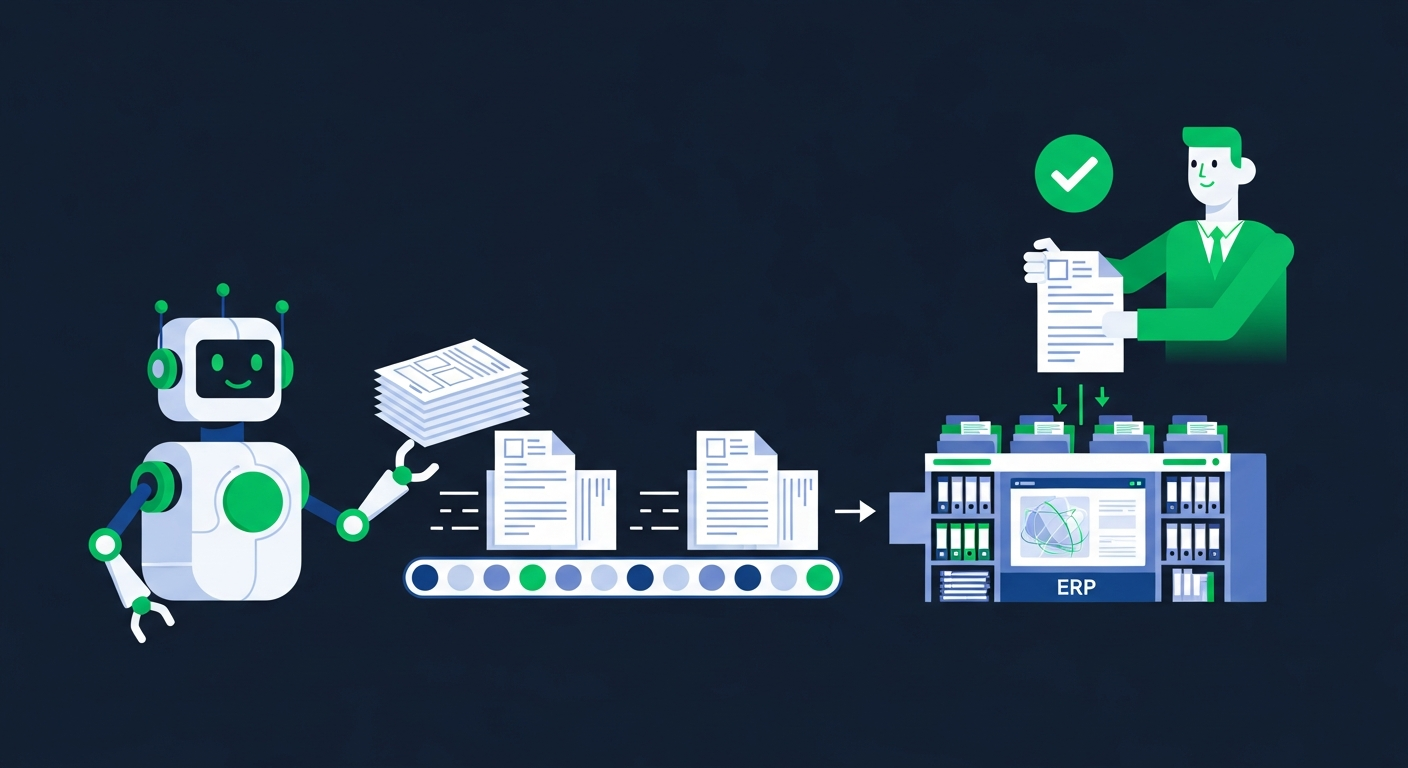
BlogKSeF gives you invoices as data. WebAPI gives you writes into enova365. In between sits an agent that maps the contractor by NIP, classifies the booking, and writes a draft into buffer status — never a final entry on its own. The full architecture, exception queue included.
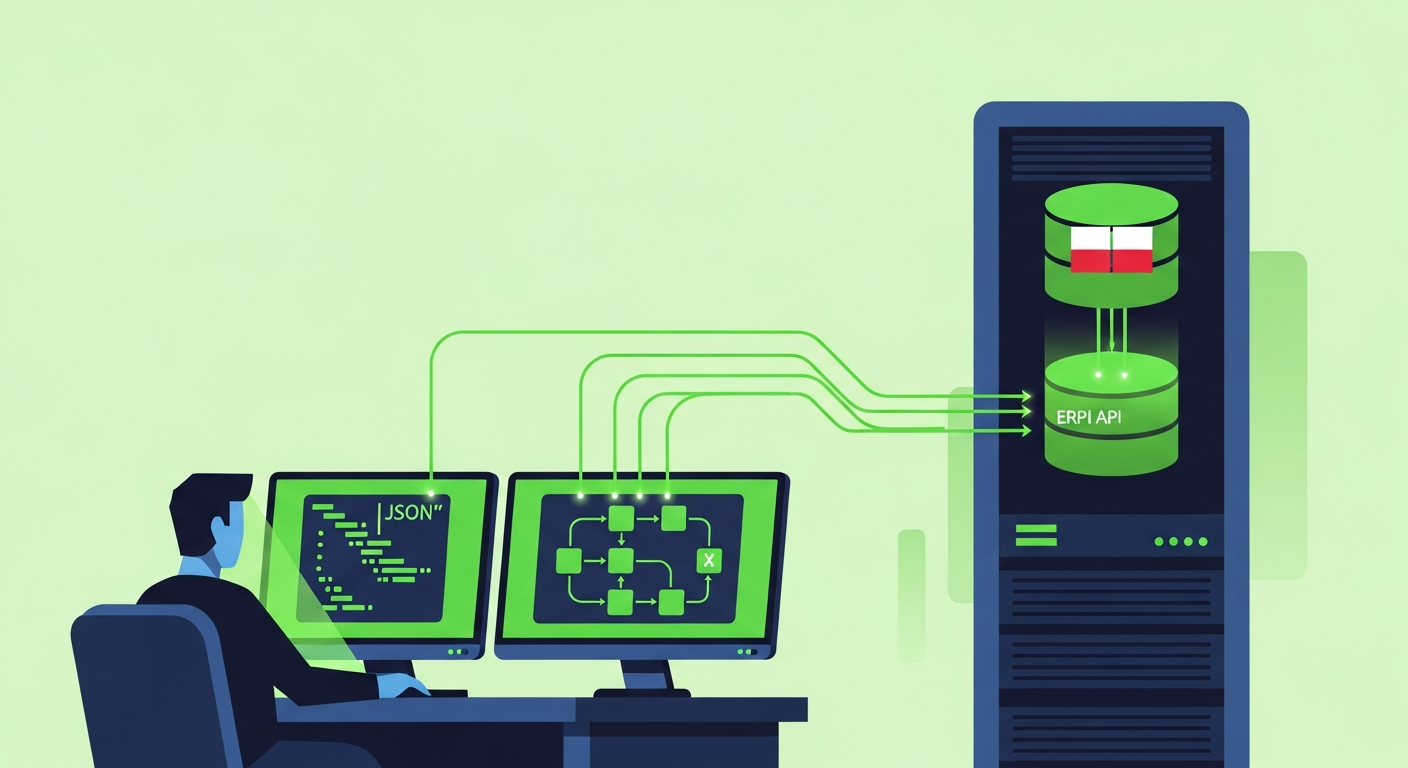
BlogLicence prerequisites, JWT auth, dynamic vs static controllers, writing documents to buffer status, Harmonogram Zadan, and the failure modes I hit in production. Everything I check before writing a line of enova365 integration code.

BlogA B2B portal takes 12 working days to build. Moving your customers onto it takes four weeks, and that's the half nobody plans — which is why so many portals sit empty. Here's the plan, day by day and wave by wave.

BlogIn a wholesale business AI isn't one project, it's a sequence of them. A distributor taking 120 orders a day burns 30 person-hours just retyping them into the ERP — that's step one, not the demand forecasting most companies start with.
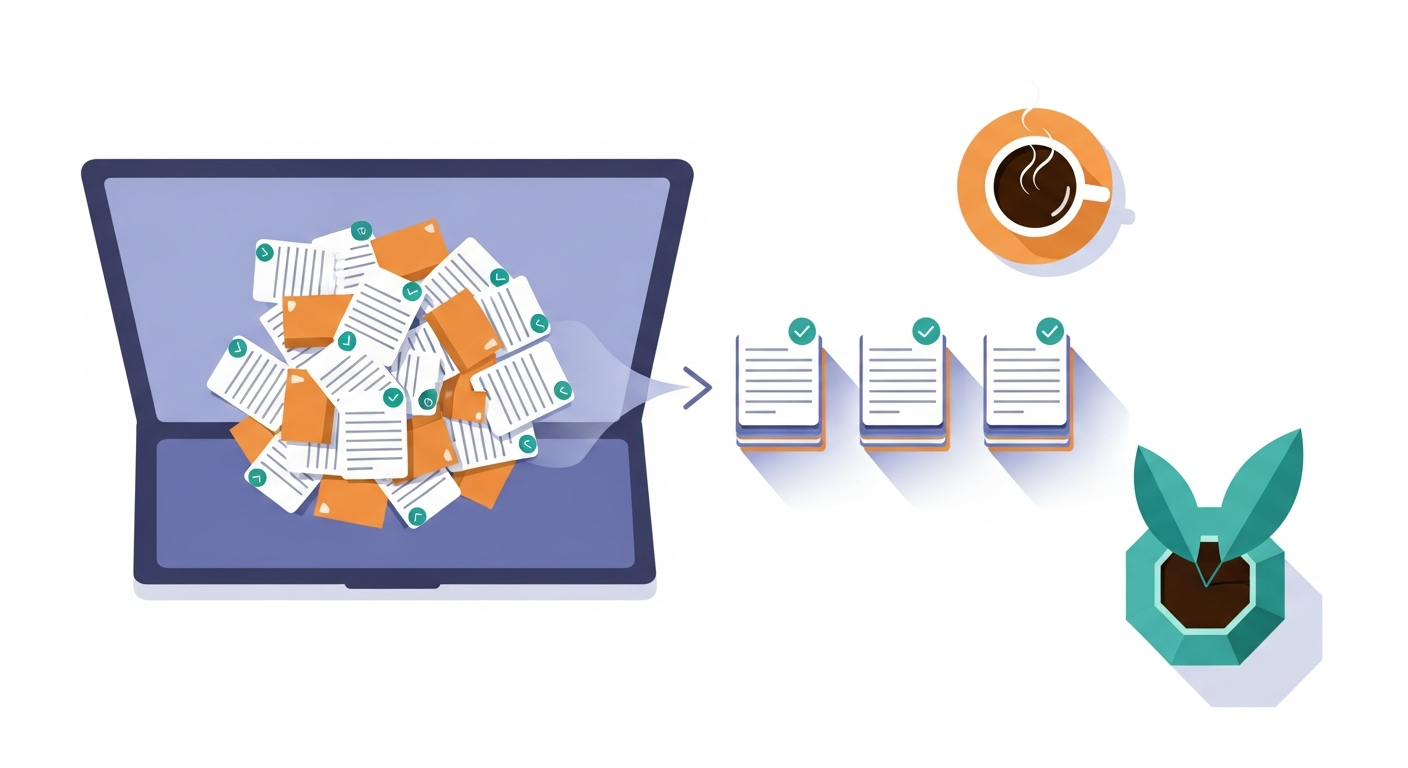
BlogKSeF digitised document intake, but not booking or payment reconciliation. An office with 40 clients still hand-processes around 6,000 documents a month — and that's where AI should start, not another OCR tool or a chatbot on your website.

BlogSend a NIP, get the VAT status from the official white list, a VIES result and a risk assessment (the PLN 15,000 threshold, split payment) — with a ready due-diligence proof. Meet KsięgoAI.

BlogPost-KSeF, invoices arrive as data. So does your bank statement. The hard part was never reading the line — it's matching it to the right invoice, and that's exactly the work an AI agent does on 80–90% of positions, handing the rest to a human exception queue.
BlogKSeF already collects every purchase invoice you receive in one place, behind one API. Here's how an AI agent pulls them from KSeF, checks the counterparty against the official VAT registry, and drops ready-to-review draft entries into your books — no OCR, no re-typing.

BlogComarch Optima has no clean REST API like enova365. Three real integration routes to a B2B portal: distributed-work XML, direct SQL access, middleware. What to pick, how long it takes, where the traps are.
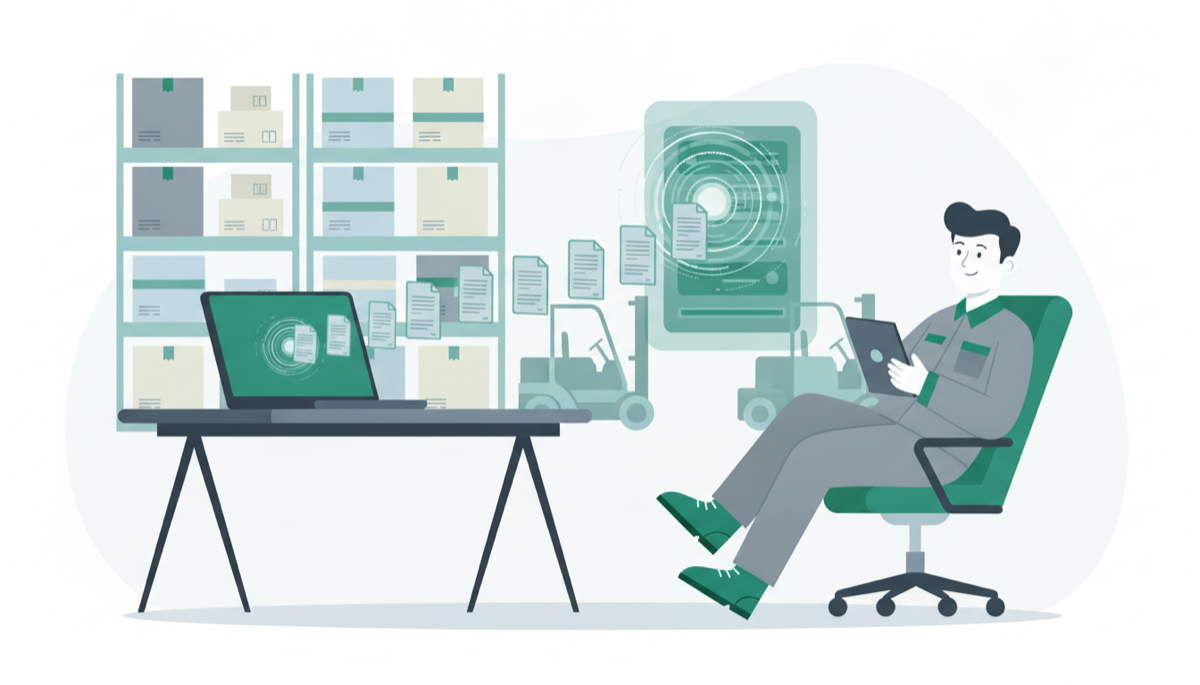
BlogYour sales rep spends half the day retyping email orders into the ERP? Here's wholesale order automation broken down: B2B portal, AI email parsing, ERP integration with enova365, Subiekt and Optima — with real costs and timelines.

BlogUsing a chatbot, screening CVs with AI, processing documents? The AI Act applies to you too — but in 90% of cases the obligations are lighter than the consultants' scare stories. Here's the plain-words decision tree.
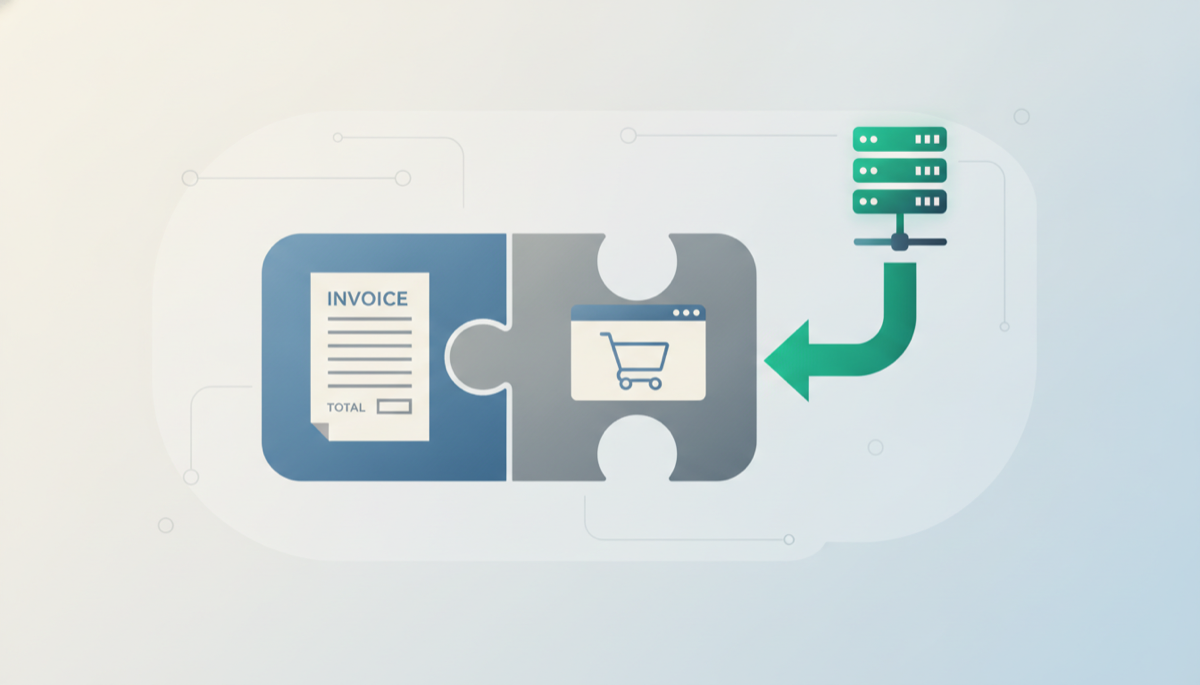
BlogJust survived the KSeF rollout? Your ERP and invoicing pipeline were already opened up. That's exactly the moment when adding a B2B portal costs the least — half the integration already exists.
BlogAI agents are transforming business operations. Learn how to delegate customer support with RAG, SEO content creation, and automatic email order processing in enova365 ERP to autonomous AI assistants.

BlogConnecting a B2B portal to enova365 via Soneta WebAPI — JWT auth, dynamic controllers, Harmonogram Zadan, price groups. The architecture that actually works, without the filler.

BlogA practical guide to connecting a B2B wholesale portal with the three most common Polish ERP systems. What each integration actually involves, where things go wrong, and honest timelines.

BlogWhy a B2B portal for alcohol wholesale is not the same as a standard ordering portal — and what it must include to stay compliant: licence verification, excise data, and regulatory logging.

BlogWhat a modern B2B online ordering system actually includes, how long it takes to implement, and what the ROI looks like — with real numbers from wholesale deployments in Poland.

BlogCase study: a Polish alcohol wholesaler replaced phone and WhatsApp ordering with a B2B portal — 70% adoption in the first month, zero pricing errors.

BlogA transparent breakdown of B2B portal costs across SaaS, agency-built, and specialist-built options — with total cost of ownership over 3 years.

BlogA technical but accessible guide to ERP-B2B portal integration: API vs. file sync, data flows, common Polish ERPs, and what can go wrong.

BlogSaaS vs. custom B2B portals for wholesale distributors: deployment time, ERP integration, fees, and a practical decision matrix.

BlogA practical guide to B2B ordering portals for wholesale distributors: features, costs, deployment timelines, and when it actually makes sense.
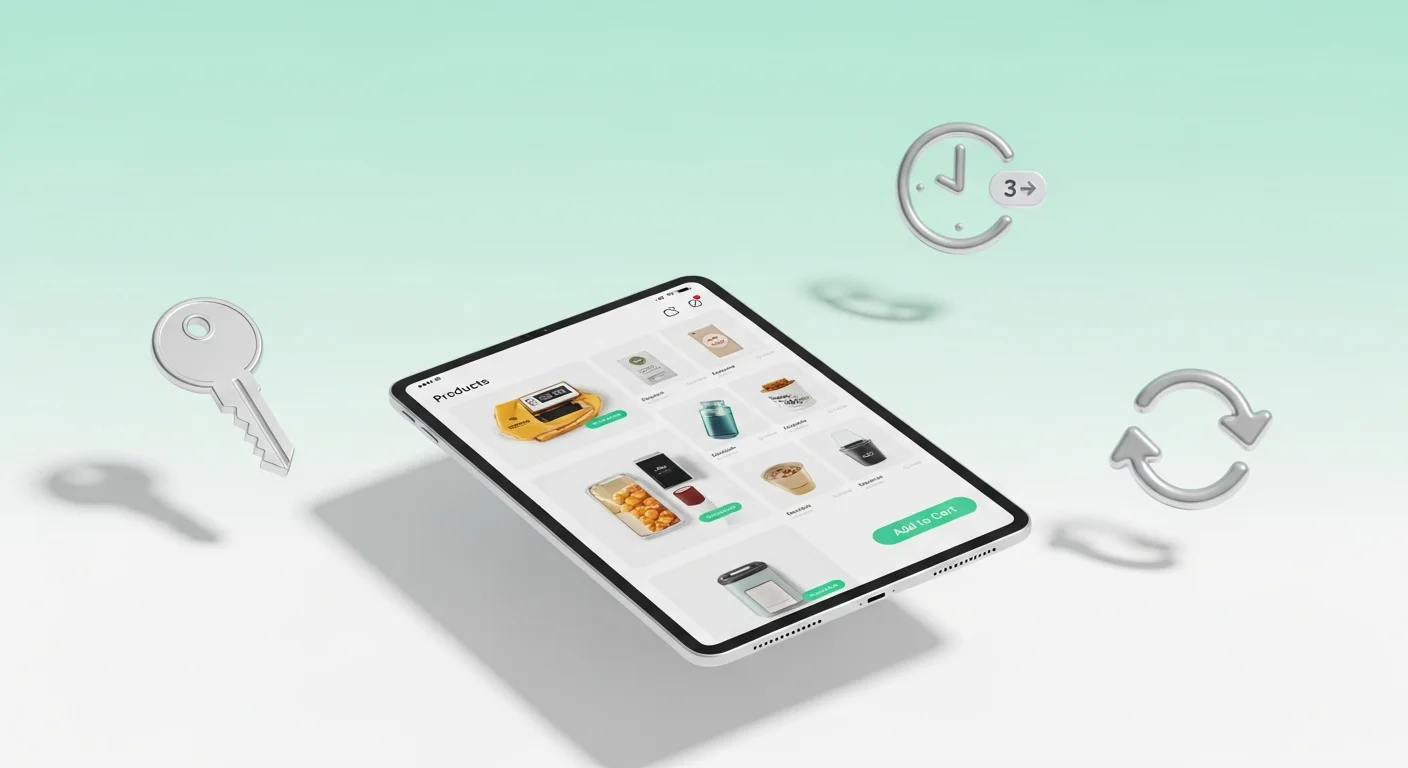
BlogB2B buyers want to order at 10 PM, check stock without calling, and download invoices themselves. Here is what a self-service portal actually includes.

BlogThe evolution of wholesale ordering from phone to fax to email to WhatsApp to B2B portal — and why each transition happened.

BlogFive AI projects under 5,000 EUR that deliver measurable ROI for small businesses — each with a realistic timeline and expected return.

BlogGPT-4, Claude, or Llama — the choice depends on your use case, budget, and data sensitivity. This guide explains the key criteria and gives you a decision framework.

BlogRAG and fine-tuning are both ways to make an AI model work with your data — but they solve different problems at very different costs. Here is when to use each.

BlogAn AI consultant bridges the gap between AI capabilities and business problems — helping you avoid costly mistakes and find the highest-ROI use cases for your organisation.

BlogVibecoding lets anyone build an app fast — but can you trust it in production? Agent-based development uses AI coding agents in specialized roles with human oversight to ship production-ready features in 2-4 hour sprints, not 2-week cycles.
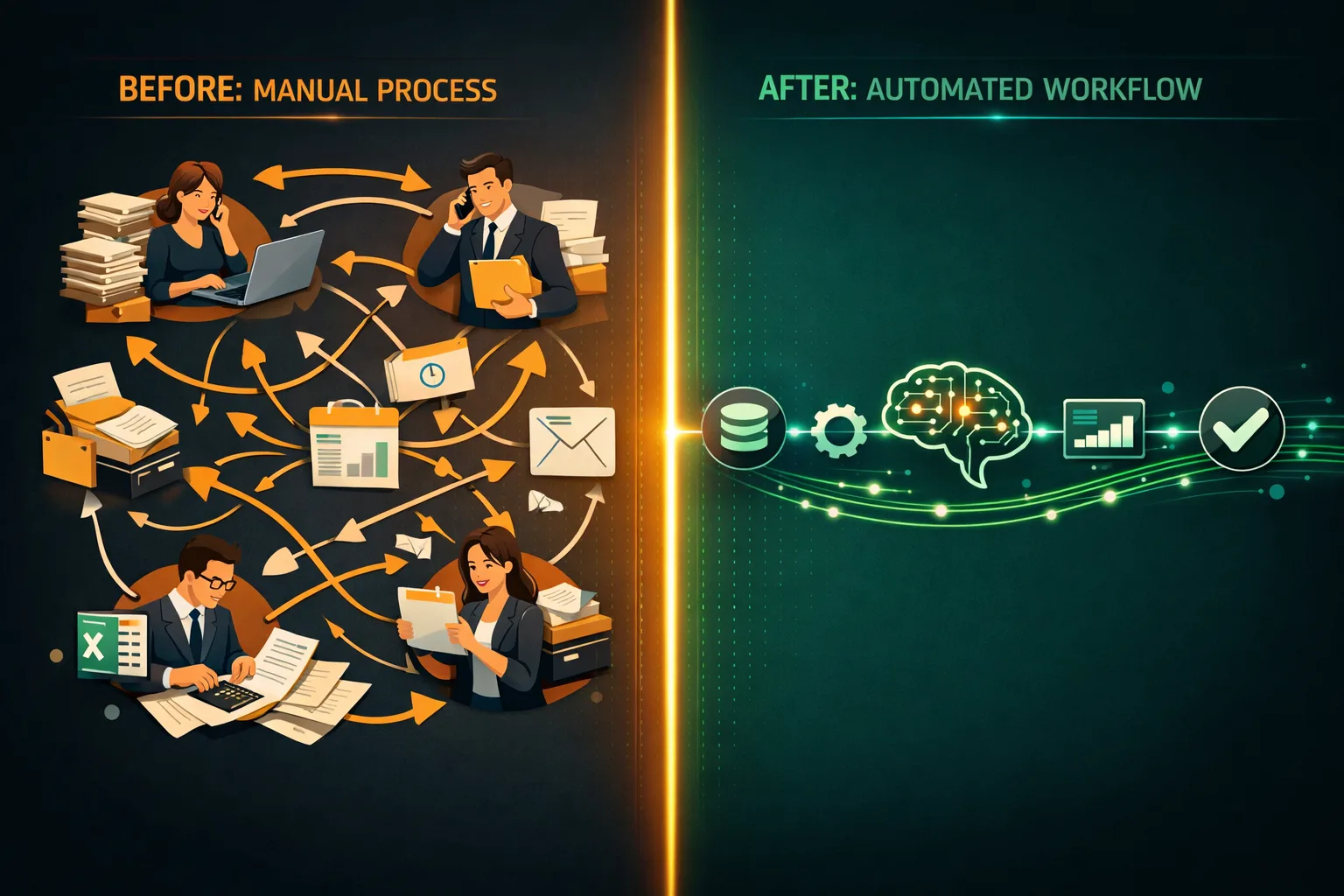
BlogA step-by-step look at how an AI automation project actually unfolds — from identifying the right process through proof of concept, full build, and handover — with realistic costs and timelines.

BlogRoughly half the readiness audits I run end with a recommendation to build nothing this quarter. Here is the whole process — the four things I score, the three weeks, the four documents you get, and the size below which you should not buy an audit at all.

BlogAI is not just for big corporations. This practical guide helps SMB owners assess their readiness for AI adoption before spending a single euro.
